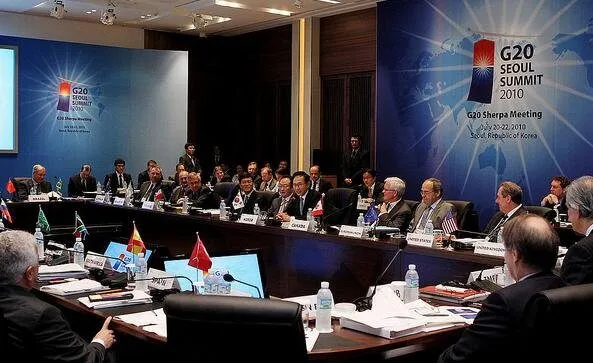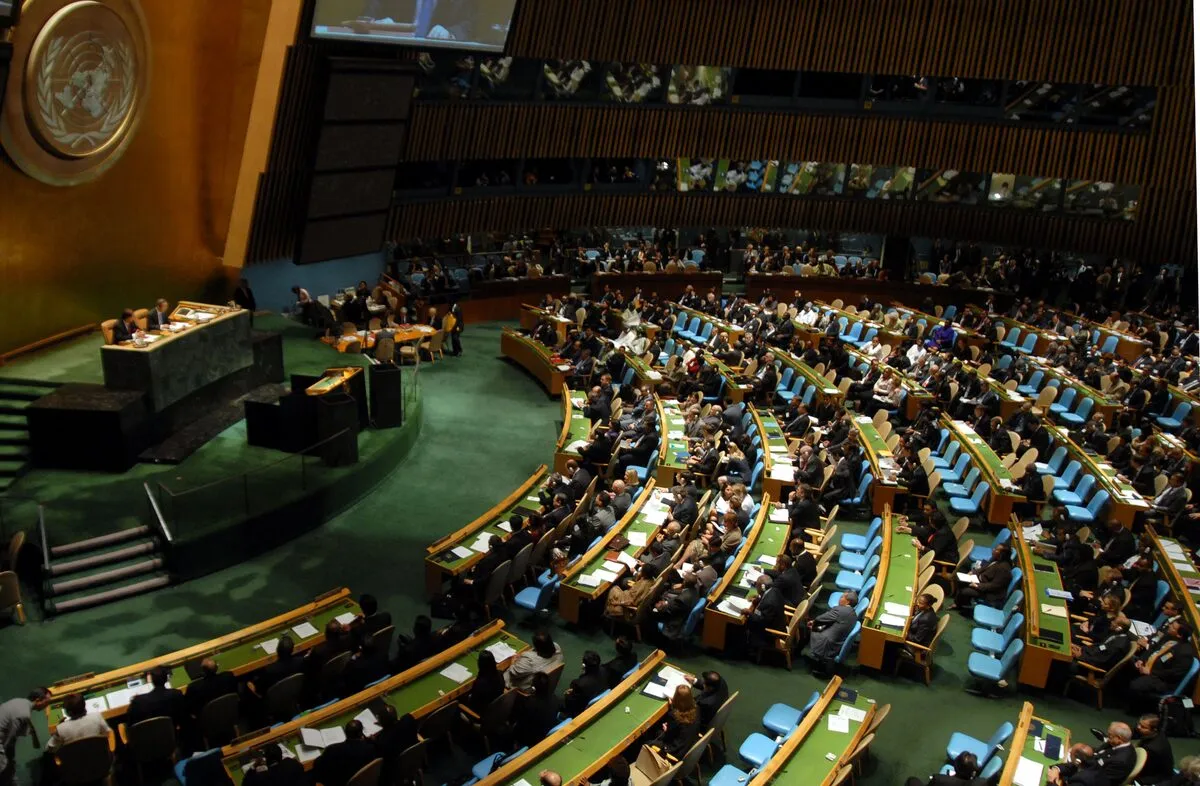
In the corridors of the United Nations, at the negotiating tables of climate summits and in the field hospitals of conflict zones, non-governmental organizations have become indispensable actors in global governance. What began in the nineteenth century as scattered charitable initiatives has evolved into a vast ecosystem of organizations that shape international policy, hold governments accountable and deliver critical services where states cannot or will not act. Today, the Union of International Associations estimates that over 40,000 active international NGOs operate worldwide, a number that has more than quadrupled since the end of the Cold War.
From Observers to Agenda-Setters
The transformation of NGOs from passive observers to active agenda-setters in global governance has been one of the defining shifts of the past three decades. The 1992 Rio Earth Summit marked a turning point, with over 2,400 NGO representatives participating alongside government delegations. Since then, organizations such as Greenpeace, Amnesty International and Médecins Sans Frontières (MSF) have moved from the margins to the center of international negotiations, providing technical expertise, mobilizing public opinion and monitoring the implementation of agreements.
The influence of NGOs is most visible in three domains: climate policy, global health and human rights. At COP summits, the Climate Action Network — a coalition of over 1,900 organizations across 130 countries — operates as a parallel negotiating force, publishing daily assessments of country positions, awarding the infamous "Fossil of the Day" to obstructionist nations and drafting alternative treaty language that frequently finds its way into final agreements. At COP28 in Dubai, NGO pressure was instrumental in securing the first explicit reference to transitioning away from fossil fuels in a COP decision text.
Digital Advocacy and Online Mobilization
The digital revolution has fundamentally altered how NGOs operate and exert influence. Social media platforms, data visualization tools and online petition systems have enabled organizations to mobilize millions of supporters within hours. Avaaz, founded in 2007, has built a global membership of over 70 million people who can be activated for targeted campaigns at unprecedented speed. When the Amazon fires of 2019 drew international attention, Avaaz coordinated protests in 80 cities within 48 hours, generating sufficient political pressure to compel the Brazilian government to deploy military resources for firefighting.
Digital tools have also transformed how NGOs gather and present evidence. Organizations like Bellingcat use open-source intelligence techniques to document human rights violations, while the Syrian Archive has preserved over 5 million videos of the conflict, creating an irrefutable digital record for future accountability processes. This capacity for real-time documentation and dissemination has made it increasingly difficult for governments to deny or downplay abuses. For organizations seeking to build a credible digital presence and maximize their online impact, partnering with specialized agencies like Indicaweb, a web agency based in Caserta that supports institutional and non-profit digital communication, can prove strategically valuable.
Global Health: The NGO-WHO Partnership Model
Perhaps nowhere is the role of NGOs more critical than in global health governance. The COVID-19 pandemic exposed both the strengths and limitations of the international health system, but it also demonstrated the irreplaceable role of NGOs in vaccine distribution, community health education and crisis response. GAVI, the Vaccine Alliance, a public-private partnership that includes major NGOs, has vaccinated over one billion children since its founding in 2000, preventing an estimated 17 million deaths.
Médecins Sans Frontières remains the paradigmatic example of NGO effectiveness in health crises. Operating in over 70 countries with an annual budget exceeding 2 billion euros, MSF provides medical care in conflict zones, epidemic outbreaks and natural disasters where governmental and intergovernmental responses are absent or inadequate. During the Ebola outbreak in West Africa, MSF was the first international organization on the ground and treated more patients than any single government. Its operational independence — MSF refuses funding from governments involved in the conflicts where it operates — grants it a credibility that intergovernmental organizations often lack.
Challenges: Funding, Legitimacy and Accountability
Despite their growing influence, NGOs face persistent challenges that threaten their effectiveness and credibility. The question of legitimacy is perhaps the most fundamental: unlike governments, NGOs are not elected, and their claim to represent the interests of affected populations is sometimes contested. The humanitarian sector has faced uncomfortable reckonings with issues of neo-colonialism, with critics arguing that organizations headquartered in the Global North too often set priorities for communities in the Global South without adequate local consultation.
Funding dependency presents another structural challenge. Many large NGOs rely heavily on government grants, creating potential conflicts of interest. A 2024 report by the Overseas Development Institute found that over 60% of the 50 largest international NGOs receive more than half their funding from government sources. This dependency can constrain an organization's willingness to criticize its funders, undermining the watchdog function that gives NGOs their distinctive value in the governance ecosystem.
The shrinking civic space in many countries poses yet another threat. According to CIVICUS, civic freedoms are now restricted in 117 countries, with governments using legal mechanisms such as restrictive registration requirements, foreign agent laws and anti-terrorism legislation to curtail NGO activities. Russia, India, Egypt and Hungary have all enacted laws in recent years that significantly limit the ability of NGOs to receive foreign funding or operate independently.
The Future of Civil Society in Global Governance
Looking ahead, the role of NGOs in global governance is likely to expand even as the operating environment becomes more complex. The polycrisis facing the international community — climate change, pandemic preparedness, AI governance, nuclear proliferation — demands the kind of expertise, agility and transnational coordination that NGOs are uniquely positioned to provide. The challenge will be to strengthen accountability mechanisms, diversify funding sources and ensure that the voices of affected communities are centered in decision-making processes.
The emerging model of networked governance — in which states, intergovernmental organizations, NGOs, corporations and citizen movements collaborate on shared challenges — represents the most promising framework for addressing global problems. In this model, NGOs serve not as substitutes for state action but as essential partners: providing expertise, ensuring accountability, amplifying marginalized voices and bridging the gap between international agreements and local implementation. The future of global governance depends not on choosing between state sovereignty and civil society participation, but on building institutions that harness the strengths of both.