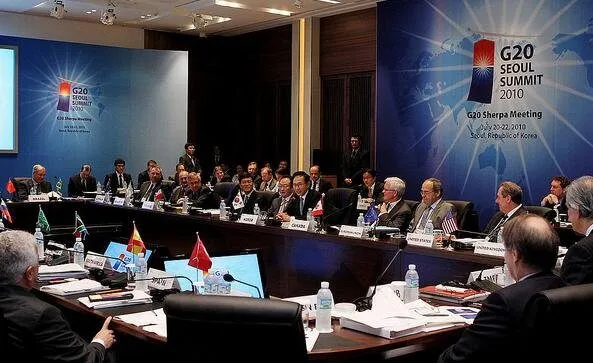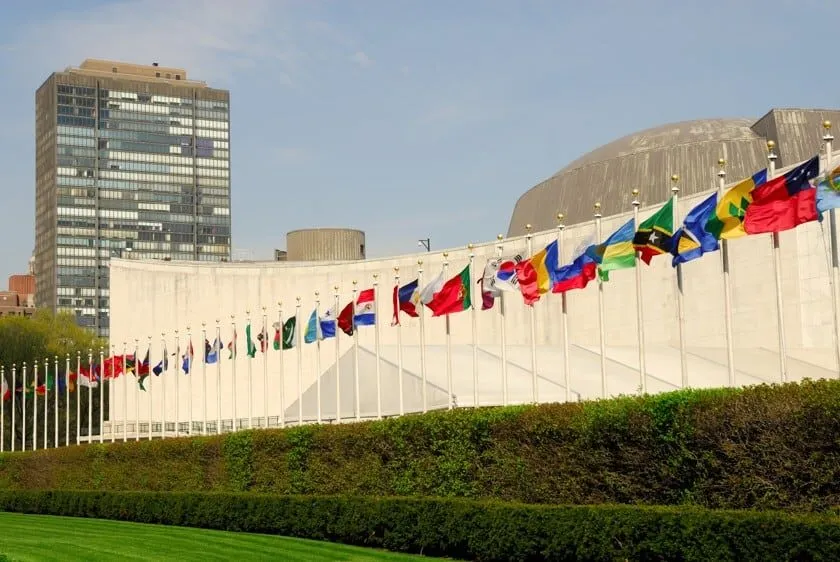
In September 2013, the foreign ministers of the United States and Iran exchanged messages on Twitter—the first direct public communication between officials of the two nations in over three decades. That brief digital exchange, which preceded the historic phone call between Presidents Obama and Rouhani, illustrated a fundamental shift in how international relations are conducted. Diplomacy, once the exclusive domain of embassy cables, handwritten notes, and face-to-face meetings in gilded halls, had entered the age of the hashtag.
Twiplomacy: When Embassies Joined Social Media
The term “twiplomacy” was coined by the consulting firm Burson-Marsteller in 2012 to describe the growing presence of world leaders and diplomatic institutions on Twitter. Their annual study revealed that by 2015, 86% of United Nations member states had an official presence on the platform. Today, the figure stands at virtually 100%, with most foreign ministries maintaining active accounts across Twitter, Instagram, LinkedIn, and increasingly, newer platforms.
The Israeli Defense Forces’ use of Twitter during the 2012 Operation Pillar of Defense marked a watershed moment. For the first time, a military operation was narrated in real time through social media, with the IDF and Hamas’s Al-Qassam Brigades exchanging threats via tweets. This event demonstrated that digital platforms had become not merely supplements to traditional diplomatic communication but active theatres of international engagement, capable of shaping narratives and influencing public opinion in ways that formal press releases could not.
Virtual Negotiations: The COVID-19 Acceleration
The COVID-19 pandemic compressed a decade of digital transformation into a matter of months. When international travel became impossible in early 2020, the United Nations Security Council held its first-ever virtual meeting in April of that year. The European Council convened via video conference to negotiate the landmark €750 billion recovery fund. Trade negotiations between the UK and EU continued through secure video links during the final stages of Brexit talks.
These virtual formats revealed both advantages and limitations. On one hand, they enabled continuity of diplomatic engagement when physical meetings were impossible. On the other, experienced diplomats noted the absence of what former UN Secretary-General Dag Hammarskjöld called “corridor diplomacy”—the informal conversations in hallways and over meals where much of the real negotiating work traditionally takes place. The 2021 COP26 climate summit in Glasgow was widely seen as more productive precisely because it returned to an in-person format, allowing the sidebar meetings and impromptu encounters that virtual platforms cannot replicate.
Institutional Websites as Diplomatic Tools
Beyond social media, the institutional web presence of diplomatic organizations has evolved into a sophisticated instrument of soft power. The websites of foreign ministries, international organizations, and multilateral forums now function as comprehensive platforms for public diplomacy, offering not just press releases but interactive data visualizations, educational resources, and multimedia content designed to engage diverse audiences.
The development of these digital platforms requires significant technical expertise. Nations competing for influence in the digital sphere increasingly rely on professional web development partners capable of building multilingual, accessible, and secure platforms that project institutional credibility. The quality of a nation’s digital presence has become, in effect, a component of its diplomatic capital—a poorly designed or outdated government website undermines the very message of competence and modernity that digital diplomacy seeks to project.
Digital Public Diplomacy: Engaging Citizens Directly
Perhaps the most significant transformation wrought by digital tools is the democratization of diplomatic communication. Traditional diplomacy operated on a state-to-state basis, with citizens receiving filtered information through domestic media. Digital public diplomacy, by contrast, enables governments to speak directly to the citizens of other nations, bypassing traditional media gatekeepers entirely.
The U.S. State Department’s Digital Outreach Team, established in 2006, was among the first initiatives to engage foreign audiences directly through online forums and social media in Arabic, Urdu, and other languages. The Russian government’s RT network and China’s Global Times expanded this model through aggressive social media strategies that reach millions of followers worldwide. The European External Action Service launched its “EU vs Disinfo” project specifically to counter what it identified as disinformation campaigns conducted through digital channels.
This direct-to-citizen approach has also raised profound questions about sovereignty and interference. When one nation’s government uses social media to influence public opinion in another country, the line between legitimate public diplomacy and foreign interference becomes dangerously blurred. The allegations of Russian digital interference in the 2016 U.S. presidential election brought this tension into sharp relief, leading to a broader reckoning about the rules of engagement in digital diplomacy.
The Future of Digital Diplomacy
As we move through 2026, several developments are reshaping the digital diplomatic landscape. Artificial intelligence is enabling real-time translation capabilities that could fundamentally alter multilateral negotiations, reducing the dependence on human interpreters and potentially accelerating the pace of diplomatic exchanges. Blockchain technology is being explored as a means of creating tamper-proof records of international agreements. Secure messaging platforms designed specifically for diplomatic communication are replacing the ad hoc use of commercial apps that characterized the pandemic era.
Yet the core challenge of digital diplomacy remains fundamentally human. Technology can amplify a message, but it cannot replace the trust that is built through years of personal relationships between diplomats. The most effective practitioners of digital diplomacy are those who understand that online communication is a complement to, not a substitute for, the ancient art of personal negotiation. In a world increasingly mediated by screens, the handshake still matters—but it now reaches an audience of millions.
Digital diplomacy evolved alongside international institutions like the G8. Learn more about the G8 and its role in global governance and how its structure enabled informal diplomatic channels that paved the way for digital communication.