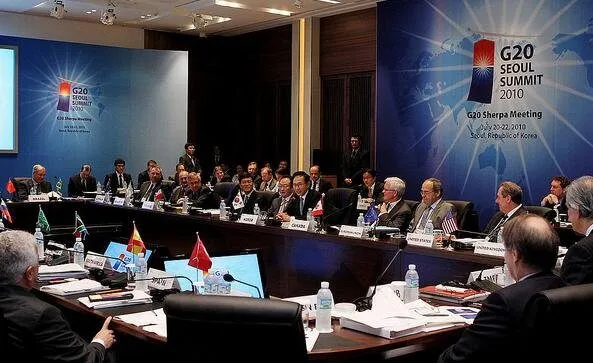
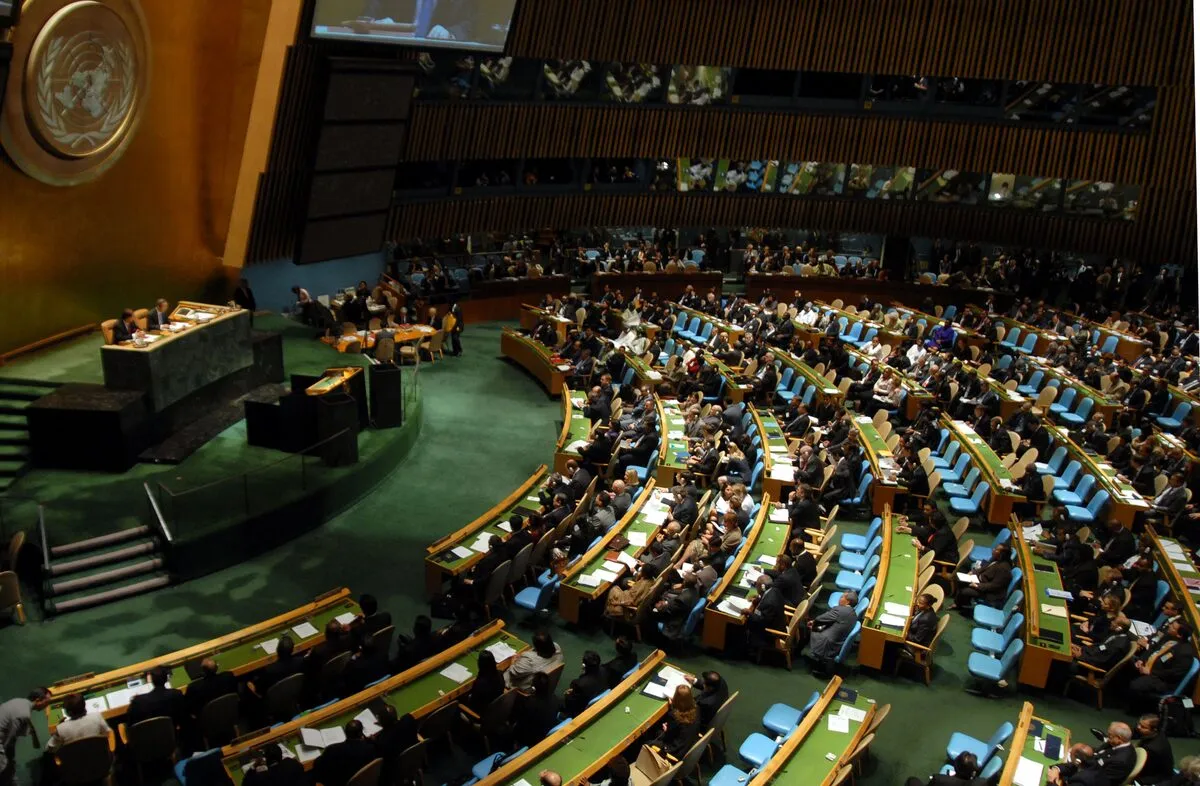
The term governance, in an international context, describes something more specific than government. It refers to the web of institutions, norms and processes through which states and non-state actors coordinate responses to problems that cross borders. No single entity governs the global system. Instead, overlapping frameworks — the UN Security Council, the Bretton Woods institutions, regional bodies like the African Union and ASEAN, and informal forums like the G7 and G20 — share responsibility in ways that are often messy, sometimes contradictory, and rarely efficient.
This tension is not a design flaw. The post-1945 order was built by governments that wanted coordination without surrendering sovereignty. Seventy years later, that bargain holds — but the strains are visible. Climate change demands collective action that existing institutions struggle to deliver. The rise of China and India has shifted economic gravity away from the Western democracies that designed most of the architecture. Digital technologies have created policy challenges (AI regulation, cross-border data flows, platform governance) that no existing body was built to handle.
Our governance coverage tracks how these institutions adapt — or fail to. We focus on structural questions: who sets the rules, who enforces them, and what happens when the answers to those questions change. The articles below examine specific cases, from NGO influence at the UN to the open government movement’s attempt to make public institutions more transparent through technology.